
A Surgeon, an Insurer and an Employer Walk Into a Room.
WorkCover shoulder injuries are core business in Dr Coory's practice. After speaking at the ASIEQ conference, he reflects on what surgeons, insurers and employers actually agree on — and where the system falls short.
It sounds like the setup to a joke. The surprise was how much we agreed.
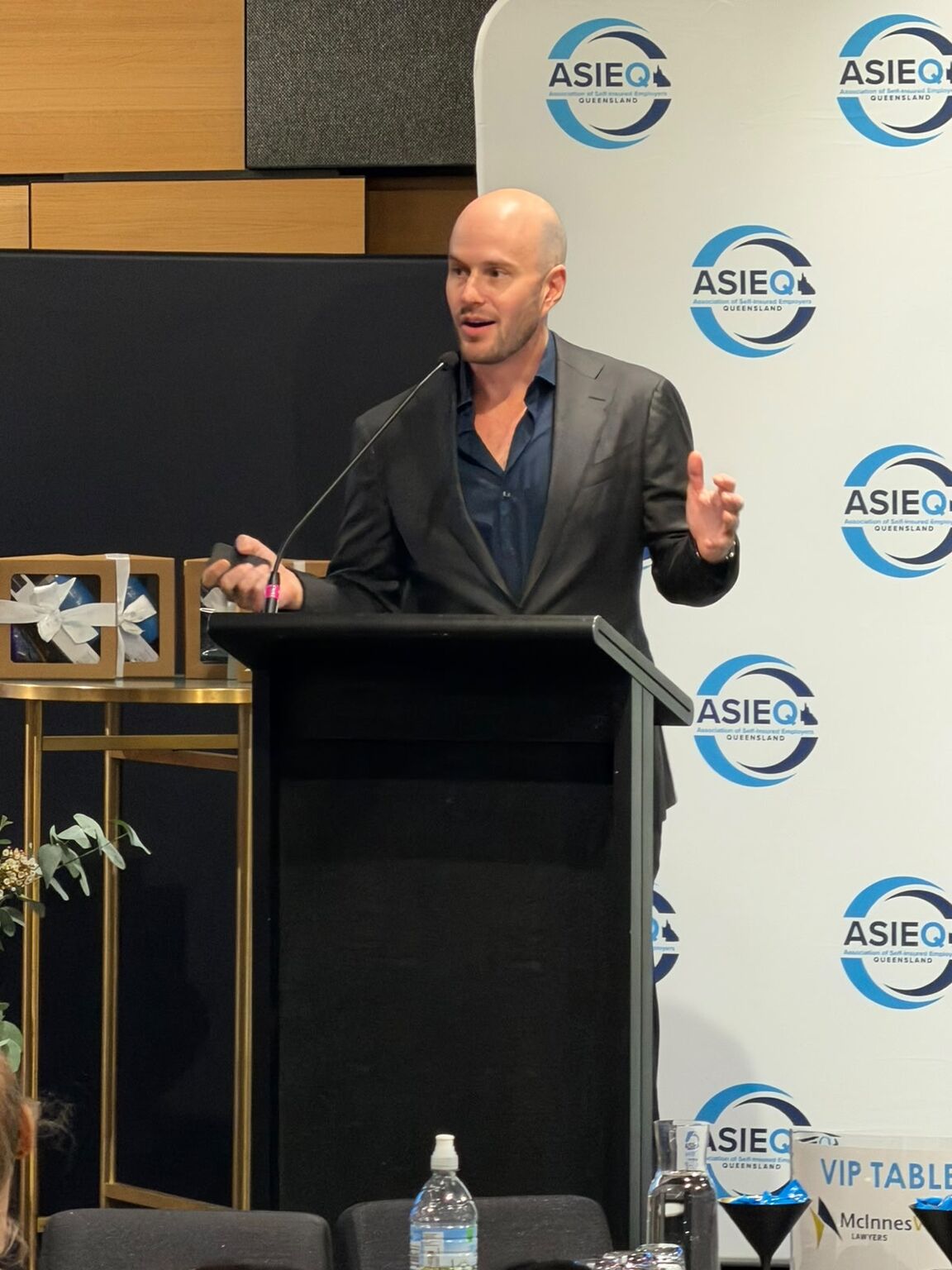
I recently spoke at the ASIEQ conference on technology and the future of WorkCover care. I expected friction between the parties. Instead, surgeons, insurers and self-insured employers described the same problem from different chairs: the injured worker who waits too long, the claim that drifts, the employer who wants their person back well, not just back. Everyone in the room wanted the same outcome. The system just isn't built to deliver it reliably.
That room clarified something about my own practice, so let me be direct about it.
Injured workers are core business in my practice
WorkCover shoulder and upper limb injuries are a substantial part of what I do, and they are a different discipline from elective surgery. The clinical questions are harder: when to operate, when to wait, what a rotator cuff repair means for a labourer versus an office worker. And the surgery is only half the job. The other half is the claim itself: timely reports, clear communication with case managers, realistic certificates, and a return-to-work plan built around the actual demands of the job.
My rooms are set up for this. We know what insurers need, we know what employers need, and we know that for the worker, every week of drift is a week of income, confidence and function. If you are a case manager, a self-insured employer or a GP with an injured worker whose shoulder claim is stalling, that is exactly the referral my practice is built to handle.
Decisions deserve better data
The gap underneath most stalled claims is information. I make consequential decisions about recovery on snapshots: a consultation every few weeks, a questionnaire, a one-off functional assessment. Insurers fund a journey they cannot see, so they manage it with process: approvals, reviews, delays. Most of the friction in WorkCover is not bad faith. It is people making decisions about a picture nobody can fully see.
Measuring the recovery journey properly, continuously rather than occasionally, would change every seat at the table. The surgeon intervenes earlier when progress stalls. The insurer approves with confidence. The employer plans a return to work on evidence rather than estimates. This is where I am directing effort, and it is the conversation I want to keep having with insurers and employers.
Biology may be the next lever
Technology gets the headlines, and robotics has certainly changed how I plan and execute shoulder replacement. But for the injured worker, the more interesting frontier may be biology.
Techniques that aim to support the body's own healing response, such as bioinductive implants used to augment rotator cuff and biceps tendon repairs, are now part of my practice in appropriate cases. The goal is a more robust repair and, hopefully, a more reliable recovery. I say hopefully deliberately: the evidence is still maturing, and I will not promise an injured worker more than the data supports. But when the difference between a good and bad outcome is whether a tendon heals, biology that may improve the odds of healing deserves serious attention, and workers' compensation patients, with their high functional demands, may be exactly the group with the most to gain.
An open invitation
What gave me hope at ASIEQ was the appetite in the room: insurers and employers who want to rebuild this process around the patient. That alignment is rare and worth acting on while it exists.
So this is a working invitation, not a musing. If you are an insurer or self-insured employer who wants recovery measured properly, or you have an injured worker with a shoulder or upper limb injury who needs a surgical opinion from a practice that understands the WorkCover system, contact my rooms through this site.
My thanks to ASIEQ for the opportunity to speak.