
Essays, videos & faculty notes
Education is part of the practice.
Dr Coory teaches at international shoulder fellowship courses, mentors visiting orthopaedic fellows in Australia, and contributes to research at the University of the Sunshine Coast. Insights is where that teaching work appears in writing.
Latest
News & media
First Mako 4 robotic shoulder replacement in Australia
A first on the fourth-generation Mako robot, and it felt almost identical to the last one. Why that is the useful finding.
Read the note New · Sep 2026 · Shoulder replacementAnatomic or reverse: which one do I need?
The rotator cuff decides. A plain-language comparison of the two shoulder replacements, how the choice is made, and what to expect from each.
Read the comparison New · Sep 2026 · Practice updateNow operating at Noosa Day Hospital
Dr Coory has joined the surgical roster at Noosa Day Hospital in Noosaville. What a day hospital covers, and how it sits alongside the Noosa consulting rooms.
Read the update Aug 2026 · Sunshine Coast NewsFalcons star's injury comeback gets a boost
Sunshine Coast News reports on the Sporting Chance Foundation, the Sunshine Coast Orthopaedic Group initiative Dr Coory directs, and its new national partnership with Fortius Hospitals.
Read on Sunshine Coast News (opens in a new tab) Jun 2026 · My Weekly PreviewNew specialist hospital aims to put the Sunshine Coast on the healthcare map
My Weekly Preview on the opening of Maroochy Private Hospital in Maroochydore City Centre, and Dr Coory's role in shaping its patient journey and theatre technology.
Read on My Weekly Preview (opens in a new tab) ArchiveAll news & media
The full dated list of press coverage and practice updates, newest first. Media enquiries welcome through the practice.
View all newsFeatured
Long-form essays paired with video
One hundred robotic shoulder replacements, and what the learning curve actually showed
The hundredth one is supposed to be boring. Where the learning actually sat across 100 Mako robotic reverse shoulder replacements: the robotic step settled at about eight minutes, operative time by case 23, parity with conventional surgery by case 43. And why the robot decides nothing.
Read the essay Featured essay · Long-form + videoHow a CT scan becomes a shoulder replacement: inside Mako planning
The robotic shoulder replacement is not the operation. The plan is the operation. The robot is the instrument that executes the plan. A deep-dive on how a CT becomes a surgical plan.
Read and watch Essay · Long-form + videoThe biology of rotator cuff repair: why technique has hit a ceiling
Two decades of cuff repair has been about technique. The ceiling we are bumping against now is the biology of the tendon being repaired. Essay paired with the YouTube long-form video.
Read and watch Essay · Interactive calculatorThe Rotator Cuff Healing Index — and what we do when biology is against us
The ROHI is a six-parameter score (Kwon 2019) that predicts which cuff repairs are at risk of not healing. Embedded calculator, plus the patient-level, surgical and post-operative biological-augmentation strategies that change the odds.
Read & calculate Essay · Long-form + videoShoulder instability: the age-at-first-dislocation rule
If you are under 25 and dislocate your shoulder once, the chance of doing it again is over 80%. The Bankart-vs-Latarjet decision, the bone-loss threshold, and the new allograft technique.
Read and watch Essay · Long-form + videoRemplissage in shoulder instability — the missing middle between Bankart and Latarjet
Patrick Denard, Stephen Burkhart and Alexandre Lädermann have argued for almost a decade that remplissage is dramatically underused. The glenoid-track concept, the MacDonald RCT, and the modern decision algorithm for off-track Hill-Sachs lesions with subcritical bone loss.
Read & watch Essay · Long-form + videoWhy won’t my shoulder move? — the frozen shoulder in plain English
The frozen shoulder is self-limiting but takes 18–24 months. The treatment decisions along the way matter more than most patients are told. What injection is for, what hydrodilatation is for, and when arthroscopic release earns its place.
Read & watch Essay · Long-form + 2 videosTendon retraction: why a chronic cuff tear is a different operation
The fresh cuff tear and the chronic retracted cuff tear are two different operations. The repair-versus-transfer-versus-replace decision tree, with the arthroscopic view of what retraction actually looks like.
Read and watchPatient guides
Plain answers to the questions asked before surgery
Do I Need Shoulder Surgery?
A decision framework for shoulder surgery, which conditions are managed conservatively, when surgery becomes necessary, the role of imaging and physiotherapy, and what to expect from a...
Read the guide Patient guideHow to Choose a Shoulder Surgeon on the Sunshine Coast
A practical guide to choosing a shoulder surgeon on the Sunshine Coast, what credentials to check, which questions to ask, and why subspecialty training, hospital privileges and research...
Read the guide Patient guideRotator Cuff Surgery Recovery Timeline
A week-by-week rotator cuff surgery recovery timeline from day one to twelve months, sling duration, physiotherapy milestones, return to driving, work and sport, written by Dr Joe Coory,...
Read the guide Patient guideShoulder Replacement Cost Australia 2026
Shoulder replacement cost in Australia: surgeon, anaesthetist and hospital fees, the Medicare rebate, private cover, the gap, and paying without insurance.
Read the guide Patient guideWhat Is Mako Robotic Shoulder Replacement?
What Mako robotic shoulder replacement is, how it differs from conventional surgery, which patients it suits, and Dr Joe Coory's experience as the first surgeon on the Sunshine Coast to...
Read the guideFaculty notes & updates
From the conference floor and the consulting room
Teaching shoulder fellows in Sydney: expertise is mostly subtraction
A day as faculty at the Fellows Shoulder Essentials course. Bankart repair, remplissage, cuff repair and biological augmentation, and why the job of faculty is to take steps away.
Read the notes New · Oct 2026 · Faculty notesInvited panellist at ICSES 2026, Vancouver
The international shoulder and elbow congress meets every three years. Notes from the panel on the future of shoulder surgery: what early users have learned, and what the sceptics ask.
Read the notes May 2026 · Faculty notesThree takeaways from the Stryker Shoulder Arthroplasty Masters Meeting, Sydney 2026
Acromial stress fractures and the ultrasound idea, perioperative nutrition, and early Australian Mako shoulder learning-curve data.
Read the notes May 2026 · Deep-divePerioperative nutrition and amino-acid augmentation in orthopaedic surgery
ESPEN protein targets, leucine and the mTOR pathway, HMB, vitamin D, immunonutrition — anchored on the Norris/Coory et al 2026 cost-of-illness paper.
Read the essay May 2026 · For GPs & case managersWorkCover Queensland — why the first four weeks shape the outcome
The disability curve, the RTW QLD pathway, and the secondary psychological-injury risk that grows with delay. The single most modifiable variable is the time to specialist review.
Read the essay May 2026 · A note from Dr CooryNotes from Singapore and Sydney: biology, bone loss, and peptides
Three takeaways from the Smith+Nephew Inspire Shoulder course and the Sydney faculty week — on the biology of cuff repair, the moving threshold for glenoid bone augmentation, and the peptides question.
Read more May 2026 · A note from Dr CooryBefore I look at your imaging
The first question I ask every new shoulder patient is not about the MRI. It is about the life the shoulder is supposed to serve.
Read more May 2026 · A note from Dr CooryOn the shoulder that was "too complex"
Patients are sometimes referred to me after being told their case is too complex for local management. Those referrals are not a problem. They are the practice.
Read morePodcast & video
Unscrubbed & the video library
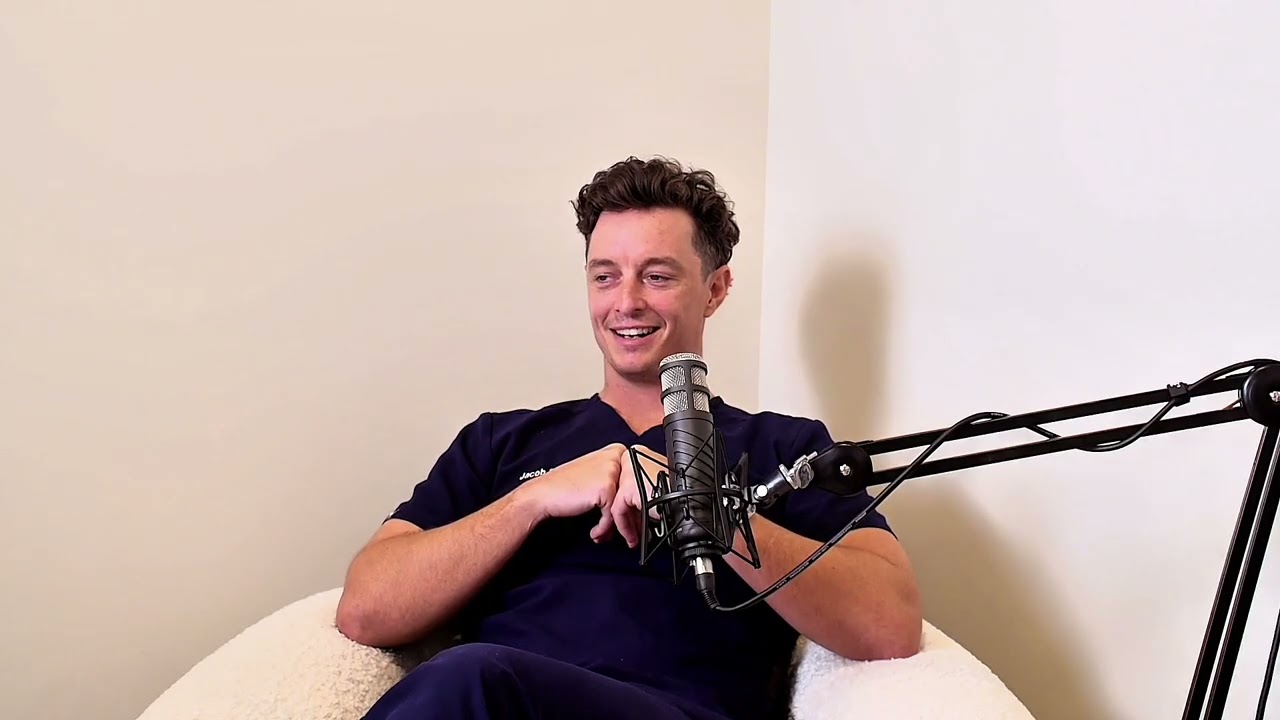
Unscrubbed Episode 1: Welcome to Unscrubbed
The first episode of the practice podcast. Dr Coory and his subspecialty-trained nurse practitioner Jake introduce the show — the combined-clinic model, the questions patients actually ask in the rooms, and what is coming.
Read & watch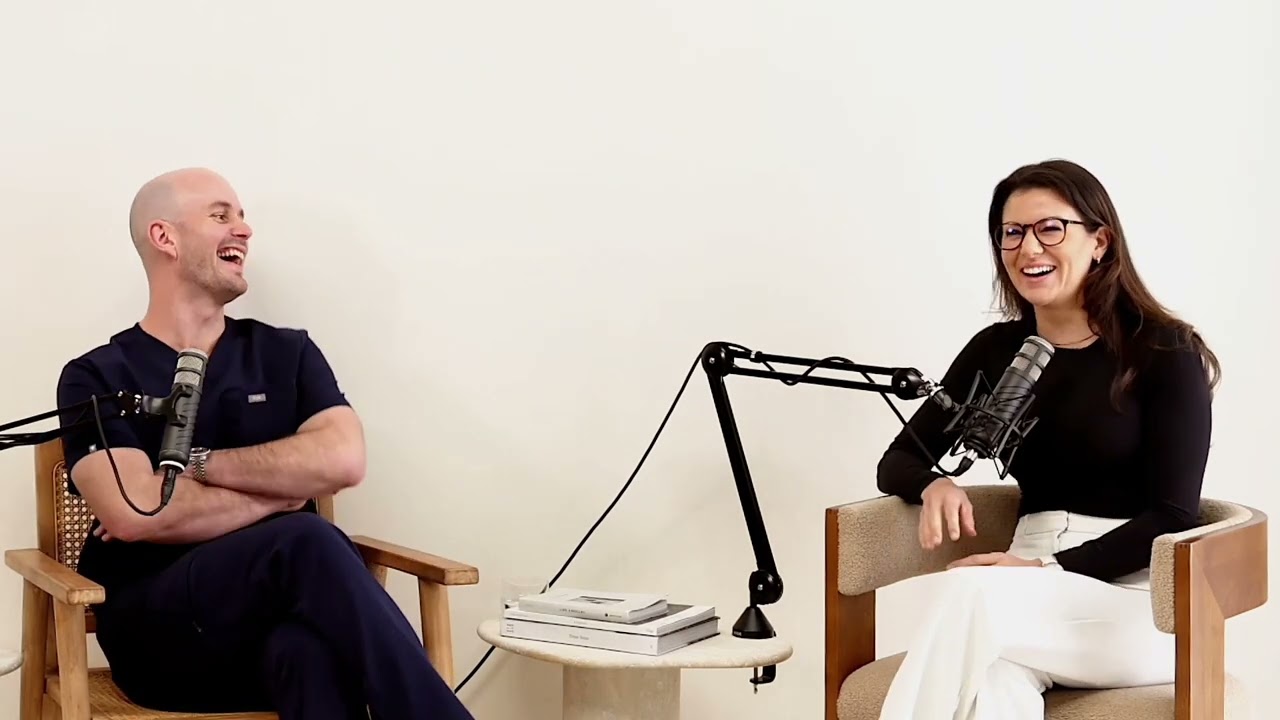
Unscrubbed Ep 2: AI in Medicine with Panacea AI
Joe and Jake host Panacea AI to map where clinical AI actually is in May 2026 — the medical scribe, radiology, decision support, and the AHPRA framework.
Read & watch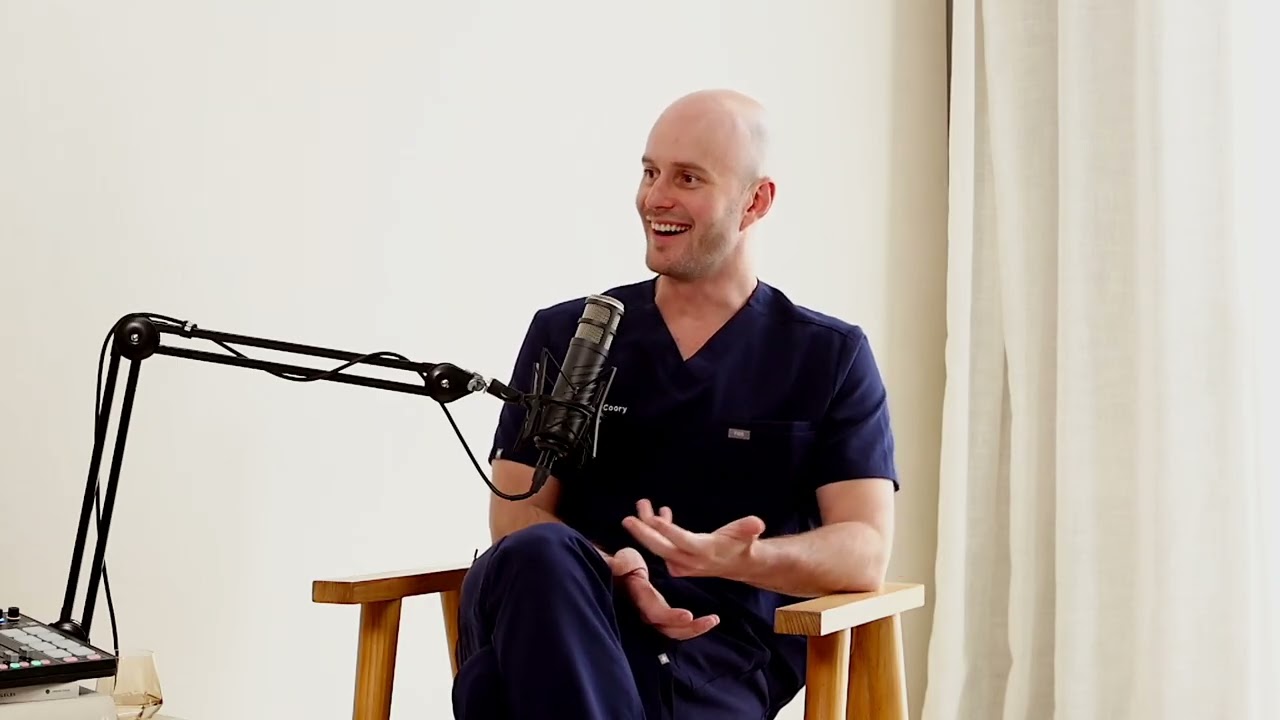
Unscrubbed Ep 3: Healthcare Hot Topics
Round-up format. The topics shaping Australian healthcare in May 2026 — GP workforce, Medicare, private health, hospital pay deals, AI in clinical practice.
Read & watch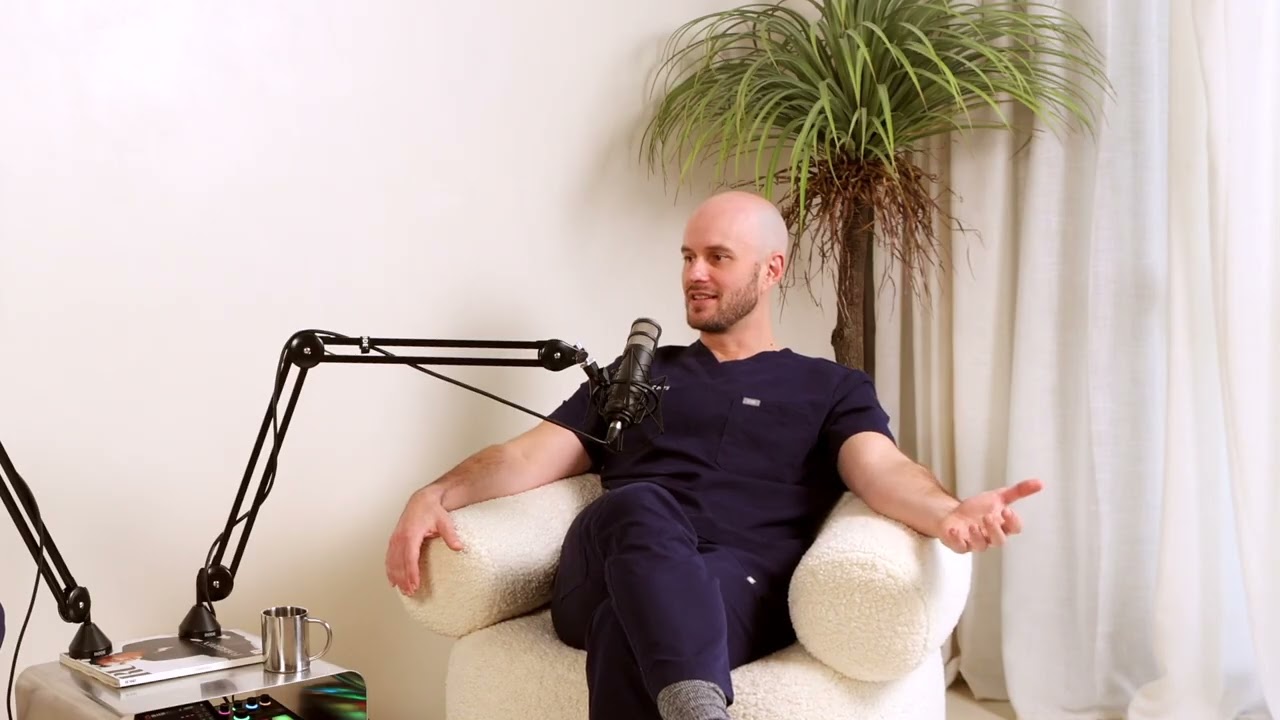
Unscrubbed Ep 4: Life as a Patient
Dr Coory and Jake NP talk through life as a patient, the reality of recovery after shoulder surgery, and how to set expectations that match the biology.
Read & watch Video libraryLong-form video explainers
Patient-education videos and procedure walk-throughs — mirrored from YouTube with searchable on-page transcripts.
WatchThe Monday morning that means more than the X-ray
Recovery does not end when the imaging looks acceptable. It ends when you are back to the life you had the surgery for.
Read more May 2026 · Practice updateWelcome to drjoecoory.com.au
Why we built a standalone home for the practice, what it means for patients and referrers, and how Insights will work.
Read moreFollow along
New posts go up when there is something substantial to say. Subscribe to the RSS feed or follow Dr Coory on LinkedIn for the original posts.
Subscribe via RSSWhat Insights is for
Education and training, written down.
The practice has a teaching responsibility. Dr Coory contributes faculty time at international fellowship courses, mentors visiting orthopaedic fellows through the Bateman Orthopaedics fellowship and the Australian Orthopaedic Association network, and participates in research with the University of the Sunshine Coast.
Insights is where that work lives in writing — long-form notes from courses, technique observations, considered patient-education essays, and updates from the research network. Three commitments shape what appears here:
- Specific over general. Every post addresses one technique, one question, or one teaching point. Not a roundup of clinical news.
- Honest about uncertainty. Where the evidence is thin or the field is moving, the post says so. Where there is a defensible position, the post takes it.
- Permanent and citeable. Insights lives here on Dr Coory's domain — not on a social platform that controls what stays visible — so the work is searchable, citeable, and accessible long after the original conversation.