
The first Mako 4 robotic shoulder replacement in Australia.
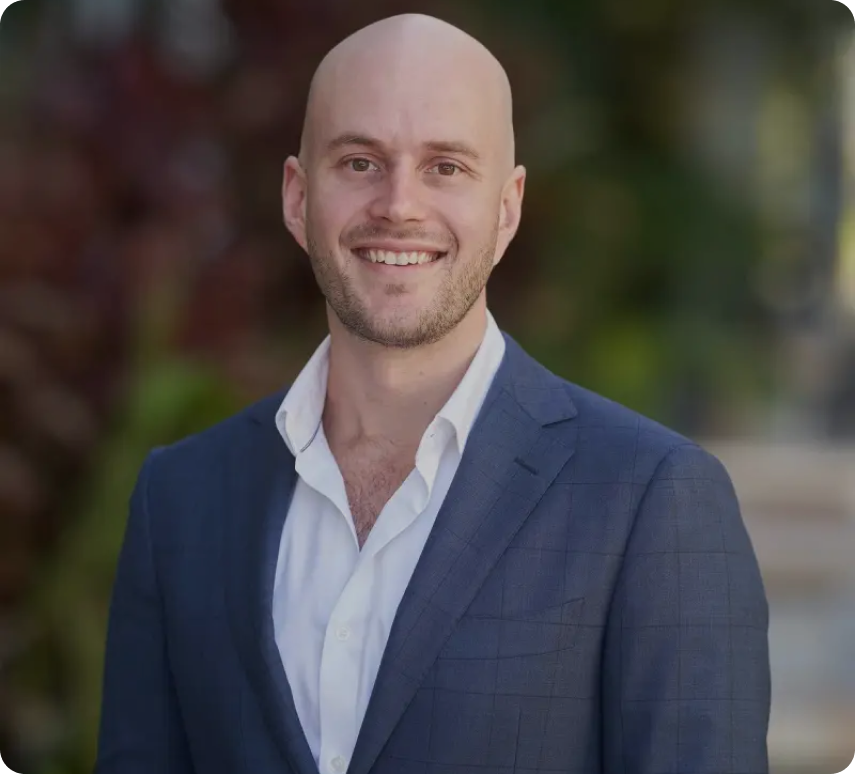
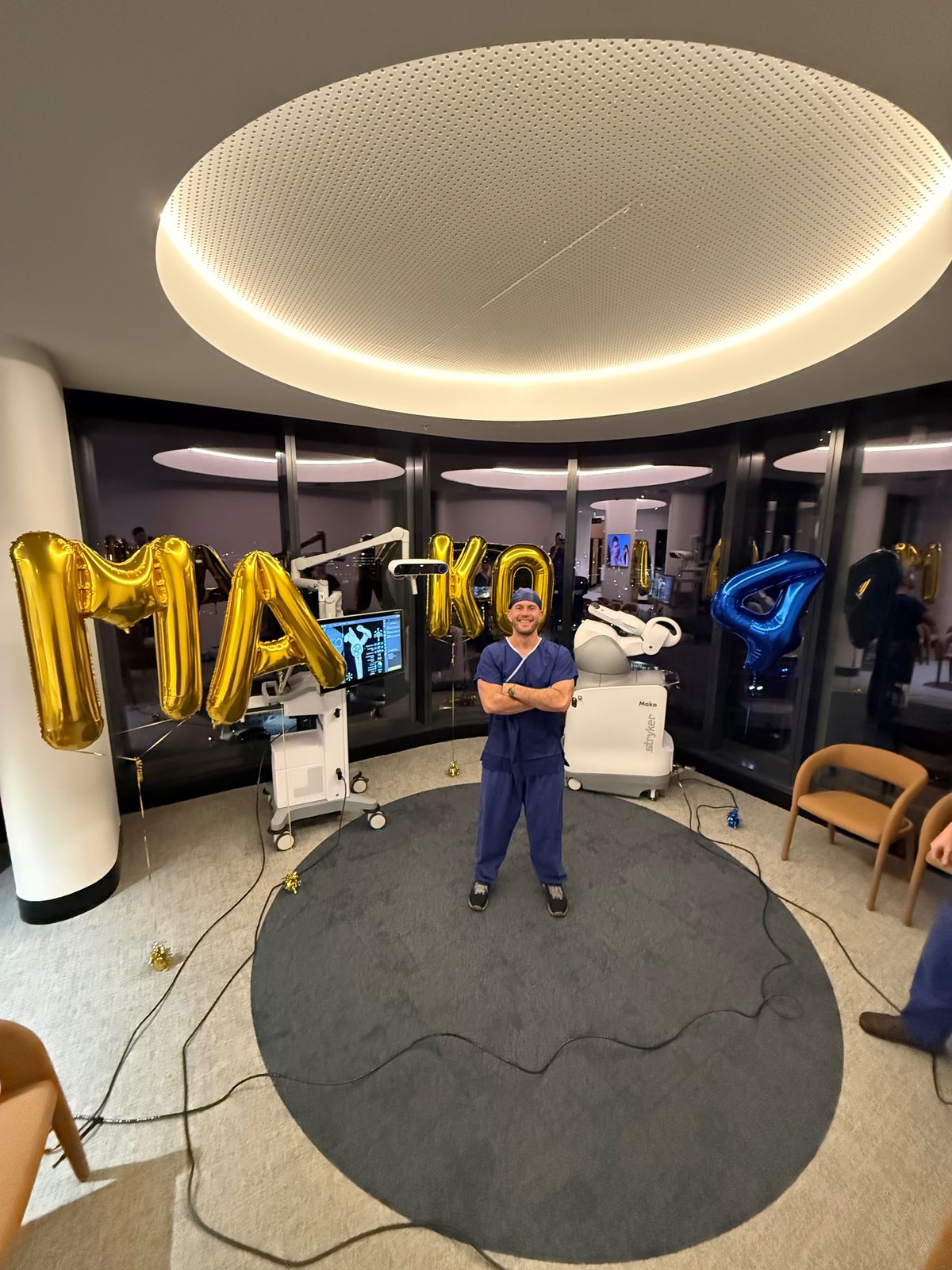
On 1 October 2026, at Maroochy Private Hospital in Maroochydore on Queensland's Sunshine Coast, Dr Joe Coory performed the first shoulder replacement in Australia using Mako 4, the fourth generation of Stryker's Mako robotic system. The operation was a reverse total shoulder replacement. He found the experience almost identical to the previous generation of the system: a refinement of the hardware, not a new way of operating. This note sets out what Mako 4 is, what was different on the day, and why almost identical is the useful result.
What happened, and where.
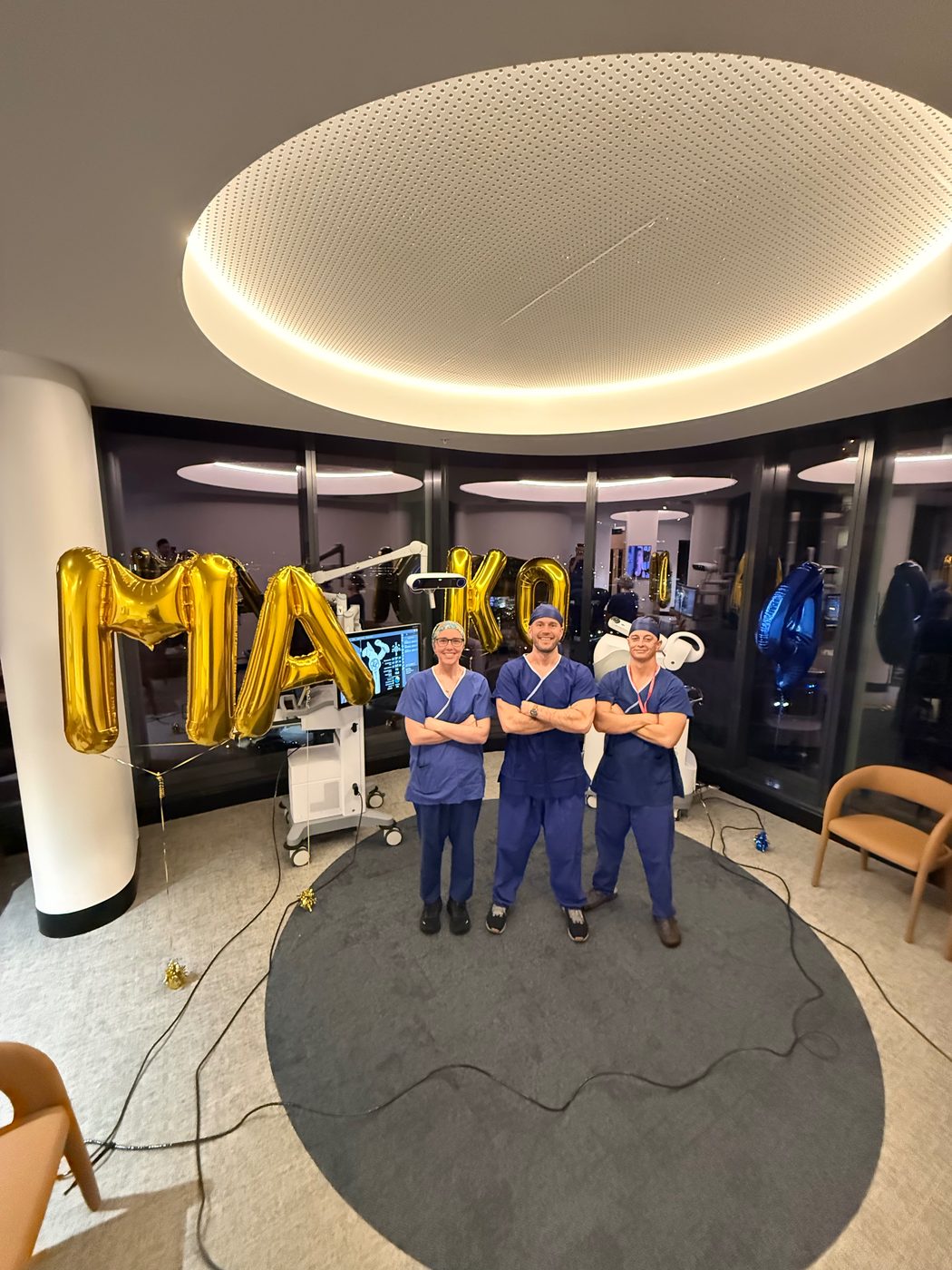
On Thursday 1 October 2026, at Maroochy Private Hospital in Maroochydore, I performed a reverse total shoulder replacement using the Mako 4 system. It was the first shoulder replacement performed on Mako 4 in Australia.
My first Mako robotic shoulder replacement in August 2025 and my hundredth in August 2026 were both performed at Buderim Private Hospital. This one was at Maroochy Private Hospital, which opened in the Maroochydore city centre in 2026.6
What Mako 4 is.
Mako is a robotic-arm system made by Stryker. Mako 4 is its fourth generation, first released in 2025 for hip, knee and spine surgery.1 The shoulder application had been running on the previous generation of the system and was scheduled to move to Mako 4 in the second half of 2026.2
The principle has not changed. A CT scan of the shoulder is used to build a three-dimensional plan for the socket side of the joint, the glenoid. In theatre, the robotic arm keeps the surgical burr inside the planned volume of bone, so that the implant position achieved matches the position planned. The shoulder application is currently approved for reverse total shoulder replacement only. The technique is described in full on the Mako robotic shoulder replacement page.
What was different on the day.
Very little. It felt almost identical.
The camera that tracks the instruments refreshes faster. The arm moves more smoothly. The machine is quieter. That is the whole list.
The closest comparison I can offer is a phone upgrade, an iPhone 16 to an 18 Pro Max. Everything is where you left it, and it all runs a little better. It was not a change of operating system. The plan was built from the patient's CT in the usual way, the steps came in the same order, and the implant system was the same.
Why almost identical is the useful result.
When I analysed my first fifty robotic shoulder replacements, the robotic step settled early, at about eight minutes, and stopped being the variable. The operative-time learning curve was largely complete by about case 23, and by about case 43 the robotic operation took no longer than my conventional one. What took longest to settle was the human phase: setup, sequence and handovers.3
The question every surgeon and hospital asks about a new generation of a platform is whether that learning has to be paid for again. On the evidence of one list, it does not. Because the workflow was unchanged, more than a hundred cases of habit carried straight across.
That is what a good upgrade looks like in surgery. In most technology we want the new version to feel different. In an operating theatre, the compliment is that you barely noticed.
One list is an anecdote, not a finding, and I will report the Mako 4 series properly when there is one.
What changes for a patient.
Very little that a patient would notice, and I think it is important to say so. The reasons for recommending the operation are the same. The CT-based planning is the same. The implant system is the same. The anaesthetic, the hospital stay and the rehabilitation are the same.
A smoother arm and a quieter machine are refinements for the people in the room. They are not a clinical outcome, and a newer generation of robot is not evidence of a better result. There is not yet any published comparison of shoulder replacement outcomes between generations of the platform, and I would be cautious of anyone who implied otherwise.
Why record a first at all.
Because dates can be checked, and because being early carries an obligation. A unit that is first to use a platform is also first in a position to measure it. Every shoulder replacement I perform is submitted to the Australian Orthopaedic Association National Joint Replacement Registry,4 every robotic case is prospectively counted, and the Mako 4 cases will be analysed in the same way as the first hundred.
A first is only worth publishing if the data follows it.
The robotic shoulder timeline, for the record.
- August 2025. First Mako robotic-assisted total shoulder replacement on the Sunshine Coast, and the second in Australia, at Buderim Private Hospital.5
- August 2026. One hundredth Mako robotic reverse total shoulder replacement, at Buderim Private Hospital. Read the learning-curve data.
- 1 October 2026. First Mako 4 shoulder replacement in Australia, at Maroochy Private Hospital.
If a shoulder replacement has been raised with you.
None of this changes the questions worth asking. What does the imaging show, what has been tried, and what is the realistic gain for your shoulder? Most shoulders I see in clinic do not need a replacement, and no robot has a view on whether yours does. Do I need shoulder surgery? works through that decision.
Frequently asked questions.
Who performed the first Mako 4 robotic shoulder replacement in Australia?
Dr Joe Coory, an orthopaedic shoulder surgeon with Sunshine Coast Orthopaedic Group, performed the first shoulder replacement in Australia using the Mako 4 robotic system on 1 October 2026 at Maroochy Private Hospital in Maroochydore, Queensland. The operation was a reverse total shoulder replacement.
What is Mako 4?
Mako 4 is the fourth generation of Stryker's Mako robotic-arm system for joint replacement. It was first released in 2025 for hip, knee and spine surgery, and the shoulder application became available on it in 2026. In shoulder replacement it is used with CT-based planning to guide preparation of the glenoid (the socket) for a reverse total shoulder replacement.
What is different about Mako 4 for shoulder replacement?
In Dr Coory's experience of the first Australian case, very little. He found that the camera tracking the instruments refreshed faster, the robotic arm moved more smoothly and the machine was quieter, while the CT-based planning, the surgical steps and the implant system were unchanged. He compares it to moving to a newer model of the same phone, not to changing operating system. These are one surgeon's observations from early use, not manufacturer specifications or clinical outcomes.
Does a surgeon have to relearn robotic shoulder replacement on Mako 4?
In Dr Coory's experience, no. The workflow on Mako 4 was almost identical to the previous generation of the system, so the experience gained over more than 100 earlier Mako shoulder replacements carried across. This is based on his first cases on the new system and will be reported in more detail as the series grows.
Is a Mako 4 shoulder replacement different for the patient?
For the patient, very little changes. The reasons for surgery, the CT-based planning, the implant system, the hospital stay and the rehabilitation are the same as with the previous generation of the platform. The differences are refinements for the surgical team. There is not yet any published evidence that a newer generation of robot produces a better result, and Dr Coory does not claim one.
Is the Mako robot used for every shoulder replacement?
No. The Mako shoulder application is currently approved for reverse total shoulder replacement only, and Dr Coory uses it for selected reverse cases. Anatomic total shoulder replacement and many revision operations are performed with CT-based planning and conventional instruments. Most shoulders assessed in clinic do not need a replacement of any kind.
Where is Mako robotic shoulder replacement performed on the Sunshine Coast?
Dr Coory performs Mako robotic-assisted reverse total shoulder replacement at Buderim Private Hospital and, from October 2026, on the Mako 4 system at Maroochy Private Hospital in Maroochydore. Consultations are held at his rooms at Maroochy Private Hospital and at Noosa Civic Medihub in Noosaville.
How many robotic shoulder replacements has Dr Coory performed?
Dr Coory performed his first Mako robotic-assisted shoulder replacement in August 2025 and his hundredth in August 2026. His analysis of the first 50 cases, which has been submitted for publication and is not yet peer reviewed, found the operative-time learning curve was largely complete by about case 23.
References.
- Stryker. Stryker launches next generation of Mako SmartRobotics. March 2025. Read the release
- MassDevice. Stryker highlights new additions to Mako, Triathlon portfolios at AAOS. 3 March 2026. Read the report
- Coory J, et al. Learning curve analysis of the first 50 robotic-assisted reverse total shoulder replacements. Manuscript submitted for publication, 2026. Not yet peer reviewed.
- Australian Orthopaedic Association National Joint Replacement Registry. aoanjrr.sahmri.com
- Buderim Private Hospital. Among first in the world to provide robotic shoulder surgery. News release, 8 August 2025. Read the source
- My Weekly Preview. New specialist hospital aims to put the Sunshine Coast on the healthcare map. June 2026. Read the article
Related reading on this site
- One hundred robotic shoulder replacements, and what the learning curve actually showed
- How a CT scan becomes a shoulder replacement: inside Mako planning
- Mako robotic-assisted reverse total shoulder replacement (procedure detail)
- Anatomic or reverse: which shoulder replacement do I need?
- ICSES 2026, Vancouver: early users, sceptics and the adoption of robotics in shoulder surgery